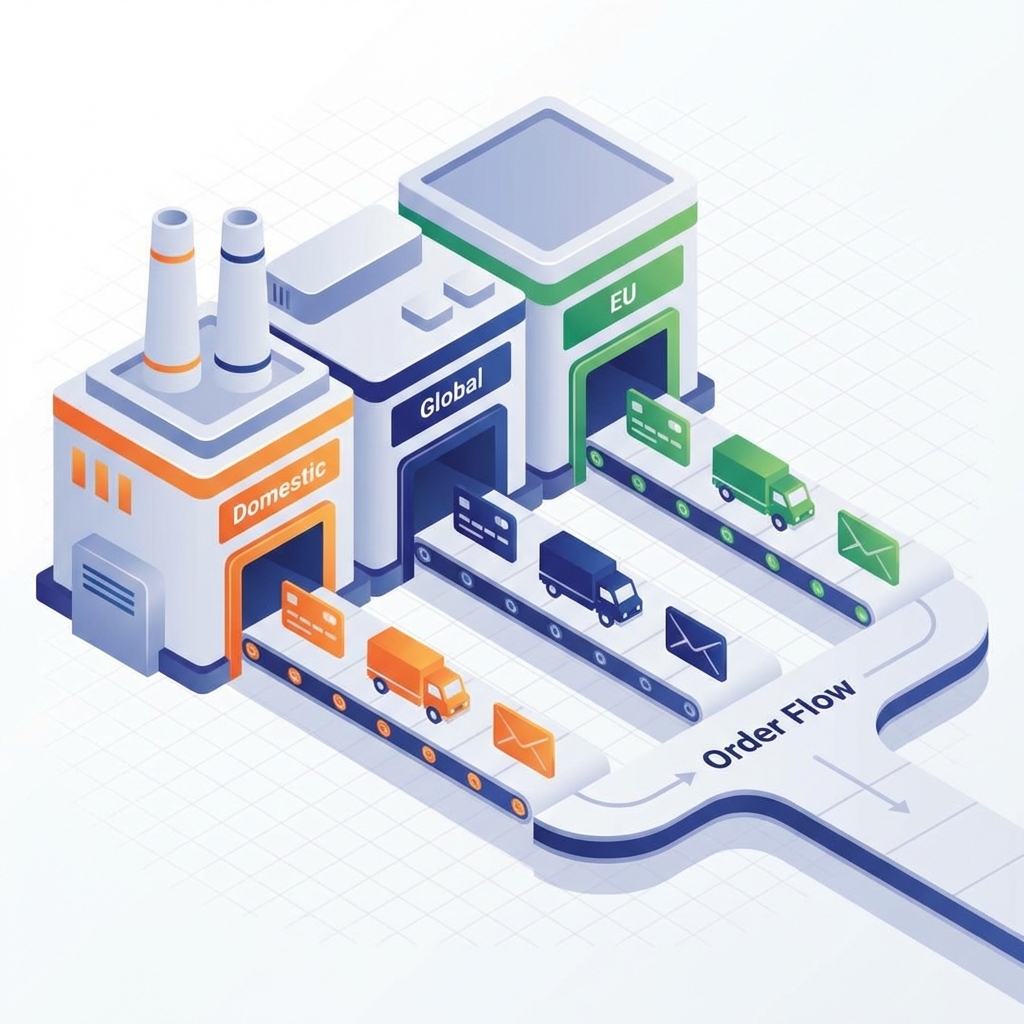
第4回では、前回発生した組み合わせミスを防ぐために「国別Factory」を導入します。製品ファミリを一括生成する仕組みを作りましょう。
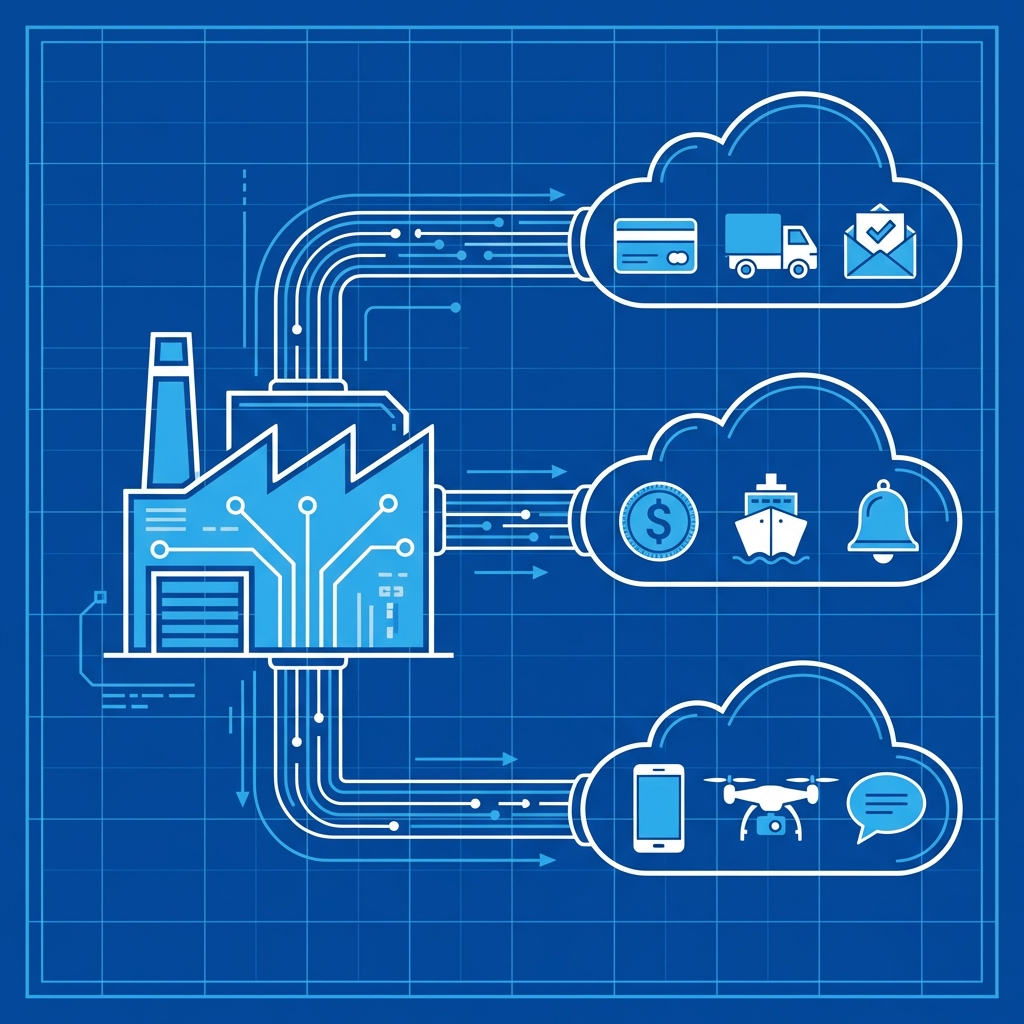
前回の振り返り
前回は製品ファミリの不一致による業務事故を体験しました。
- 国内配送に海外決済が紛れ込んだ
- 手数料計算が狂い、業務事故が発生した
- if/elseによる手動管理には限界がある
今回はこの問題を「Factory」という仕組みで解決します。
この記事で学ぶこと
- OrderFlowFactoryロール(抽象Factory)を定義する
- 製品ファミリを一括生成するインターフェースを設計する
- クライアントコードをFactory経由に変更する
Factoryの役割
Factoryとは「製品を生成する責任を持つオブジェクト」です。今回は以下の責任を持たせます。
- 決済オブジェクトの生成
- 配送オブジェクトの生成
- 通知オブジェクトの生成
これらを1つのFactoryにまとめることで、必ず正しい組み合わせが生成されるようにします。
OrderFlowFactoryロールの定義
まず、すべてのFactoryが持つべきメソッドを定義するロールを作成します。
1
2
3
4
5
6
7
8
9
| package OrderFlowFactory;
use v5.36;
use Moo::Role;
requires 'create_payment';
requires 'create_shipping';
requires 'create_notification';
1;
|
このロールは3つのメソッドを要求します。
create_payment: 決済オブジェクトを生成create_shipping: 配送オブジェクトを生成create_notification: 通知オブジェクトを生成
ロールを使用するクラスは、必ずこれらのメソッドを実装しなければなりません。
国内向けFactoryの実装
国内市場向けの製品セットを生成するFactoryを実装します。
 1
 2
 3
 4
 5
 6
 7
 8
 9
10
11
12
13
14
15
16
17
18
19
| package DomesticOrderFlowFactory;
use v5.36;
use Moo;
with 'OrderFlowFactory';
sub create_payment ($self, %args) {
return DomesticPayment->new(%args);
}
sub create_shipping ($self, %args) {
return DomesticShipping->new(%args);
}
sub create_notification ($self, %args) {
return DomesticNotification->new(%args);
}
1;
|
このFactoryは必ず国内向けの3製品をセットで提供します。決済だけ海外になるという事故は構造的に起きません。
Factoryを使った注文処理
Factoryを使うようにクライアントコードを変更します。
  1
  2
  3
  4
  5
  6
  7
  8
  9
 10
 11
 12
 13
 14
 15
 16
 17
 18
 19
 20
 21
 22
 23
 24
 25
 26
 27
 28
 29
 30
 31
 32
 33
 34
 35
 36
 37
 38
 39
 40
 41
 42
 43
 44
 45
 46
 47
 48
 49
 50
 51
 52
 53
 54
 55
 56
 57
 58
 59
 60
 61
 62
 63
 64
 65
 66
 67
 68
 69
 70
 71
 72
 73
 74
 75
 76
 77
 78
 79
 80
 81
 82
 83
 84
 85
 86
 87
 88
 89
 90
 91
 92
 93
 94
 95
 96
 97
 98
 99
100
101
102
103
104
105
106
107
| #!/usr/bin/env perl
use v5.36;
# --- 製品クラス(国内) ---
package DomesticPayment;
use v5.36;
use Moo;
has amount => (is => 'ro', required => 1);
sub process ($self) {
my $fee = int($self->amount * 0.03);
my $total = $self->amount + $fee;
say "【国内決済】金額: ¥" . $self->amount . " + 手数料: ¥$fee = 合計: ¥$total";
return $total;
}
package DomesticShipping;
use v5.36;
use Moo;
has address => (is => 'ro', required => 1);
sub ship ($self) {
say "【国内配送】お届け先: " . $self->address;
say " 配送業者: ヤマト運輸";
say " 配送日数: 1-2営業日";
return { carrier => 'yamato', days => 2 };
}
package DomesticNotification;
use v5.36;
use Moo;
has email => (is => 'ro', required => 1);
sub notify ($self, $order_id) {
say "【国内通知】$order_id の注文確認メールを送信";
say " 宛先: " . $self->email;
say " 言語: 日本語";
return 1;
}
# --- 抽象Factoryロール ---
package OrderFlowFactory;
use v5.36;
use Moo::Role;
requires 'create_payment';
requires 'create_shipping';
requires 'create_notification';
# --- 国内向けFactory ---
package DomesticOrderFlowFactory;
use v5.36;
use Moo;
with 'OrderFlowFactory';
sub create_payment ($self, %args) {
return DomesticPayment->new(%args);
}
sub create_shipping ($self, %args) {
return DomesticShipping->new(%args);
}
sub create_notification ($self, %args) {
return DomesticNotification->new(%args);
}
# --- メイン処理 ---
package main;
use v5.36;
sub process_order_with_factory ($factory, $order_id, $amount, $address, $email) {
say "=" x 50;
say "注文処理開始: $order_id";
say "=" x 50;
# Factoryから製品を生成
my $payment = $factory->create_payment(amount => $amount);
my $shipping = $factory->create_shipping(address => $address);
my $notification = $factory->create_notification(email => $email);
# 処理実行
my $total = $payment->process;
say "";
my $delivery_info = $shipping->ship;
say "";
$notification->notify($order_id);
say "";
say "=" x 50;
say "注文処理完了";
say "=" x 50;
}
# Factoryを作成して注文処理
my $domestic_factory = DomesticOrderFlowFactory->new;
process_order_with_factory(
$domestic_factory,
'ORD-2026-0004',
5000,
'東京都渋谷区1-2-3',
'customer@example.com'
);
|
設計の改善点
Factory導入により、以下の改善が得られました。
- 製品生成をFactoryに集約
- 組み合わせミスが構造的に発生しない
- 市場の追加はFactoryクラスの追加で対応
	classDiagram
    class OrderFlowFactory {
        <<Role>>
        +create_payment()
        +create_shipping()
        +create_notification()
    }
    class DomesticOrderFlowFactory {
        +create_payment()
        +create_shipping()
        +create_notification()
    }
    class DomesticPayment
    class DomesticShipping
    class DomesticNotification

    OrderFlowFactory <|.. DomesticOrderFlowFactory : with
    DomesticOrderFlowFactory ..> DomesticPayment : creates
    DomesticOrderFlowFactory ..> DomesticShipping : creates
    DomesticOrderFlowFactory ..> DomesticNotification : creates
クライアントの依存先の変化
以前のコードでは、クライアントが個々の製品クラスを直接知る必要がありました。
1
2
3
| # Before: 個別のクラスを直接生成
$payment = DomesticPayment->new(amount => $amount);
$shipping = DomesticShipping->new(address => $address);
|
Factoryを導入した後は、Factoryを経由するだけになります。
1
2
3
| # After: Factoryを経由して生成
$payment = $factory->create_payment(amount => $amount);
$shipping = $factory->create_shipping(address => $address);
|
クライアントはFactoryのインターフェースのみに依存し、具体的な製品クラスを知る必要がなくなりました。これは依存性逆転の原則(DIP)に沿った設計です。
まとめ
この記事では以下を学びました。
- OrderFlowFactoryロールを定義し、3つのcreateメソッドを要求した
- DomesticOrderFlowFactoryが国内向け製品セットを一括生成する
- クライアントはFactoryのみに依存し、具体的な製品クラスを知らなくてよい
- 組み合わせミスが構造的に発生しなくなった
次回は海外向けFactory(GlobalOrderFlowFactory)を実装し、複数のFactoryを切り替える仕組みを完成させます。